🌄Strengthening Science-Based Resilience in the Himalayas
📅11–12 November 2025 | India International Centre, New Delhi
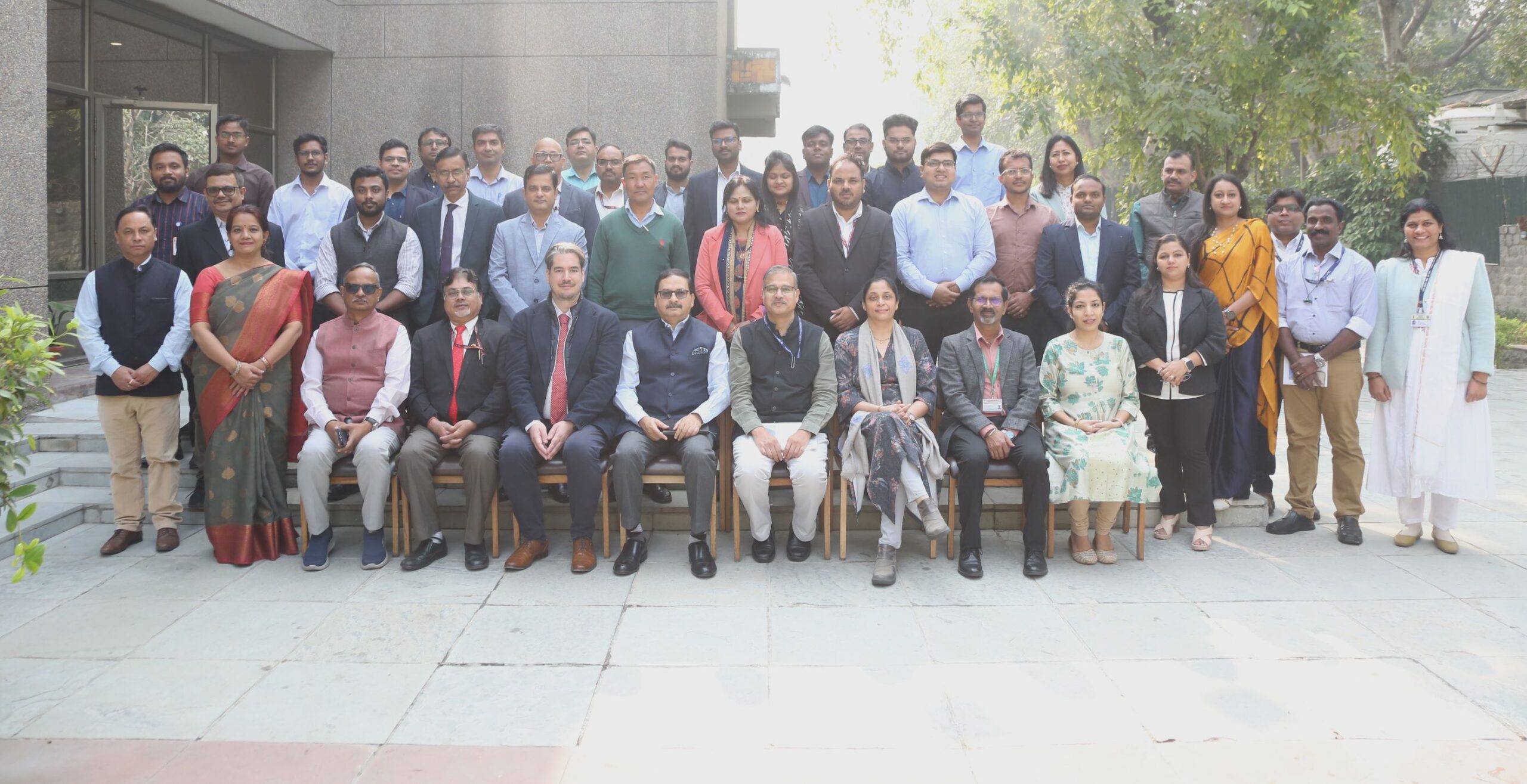
The Workshop on Managing Mountain Hazards (Rock-Ice Avalanches, Rockfalls, and Debris Flows) in the Indian Himalayan Region successfully concluded this week — bringing together scientists, policy-makers, and practitioners from India, Switzerland, Nepal, and Bhutan to advance understanding and preparedness for complex mountain hazards in the Himalayan region.
Jointly organized by the Swiss Agency for Development and Cooperation (SDC), the WSL Institute for Snow and Avalanche Research SLF (Switzerland), and the CSIR-Central Building Research Institute (CBRI), Roorkee, this one and a half day workshop included in-depth technical sessions, institutional dialogues, and interactive discussions on hazard mapping, risk forecasting, and mountain resilience.
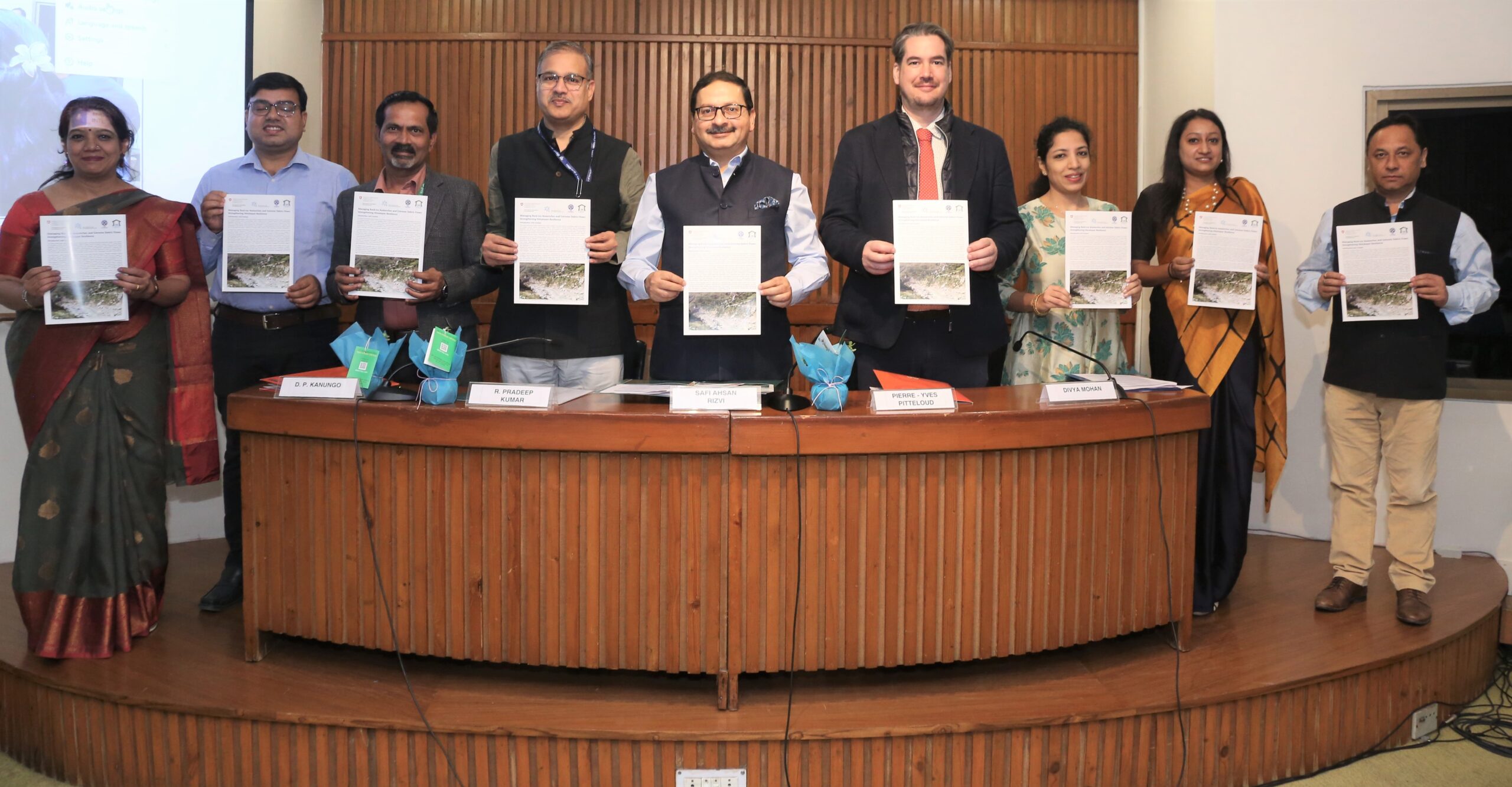
The inaugural session was graced by:
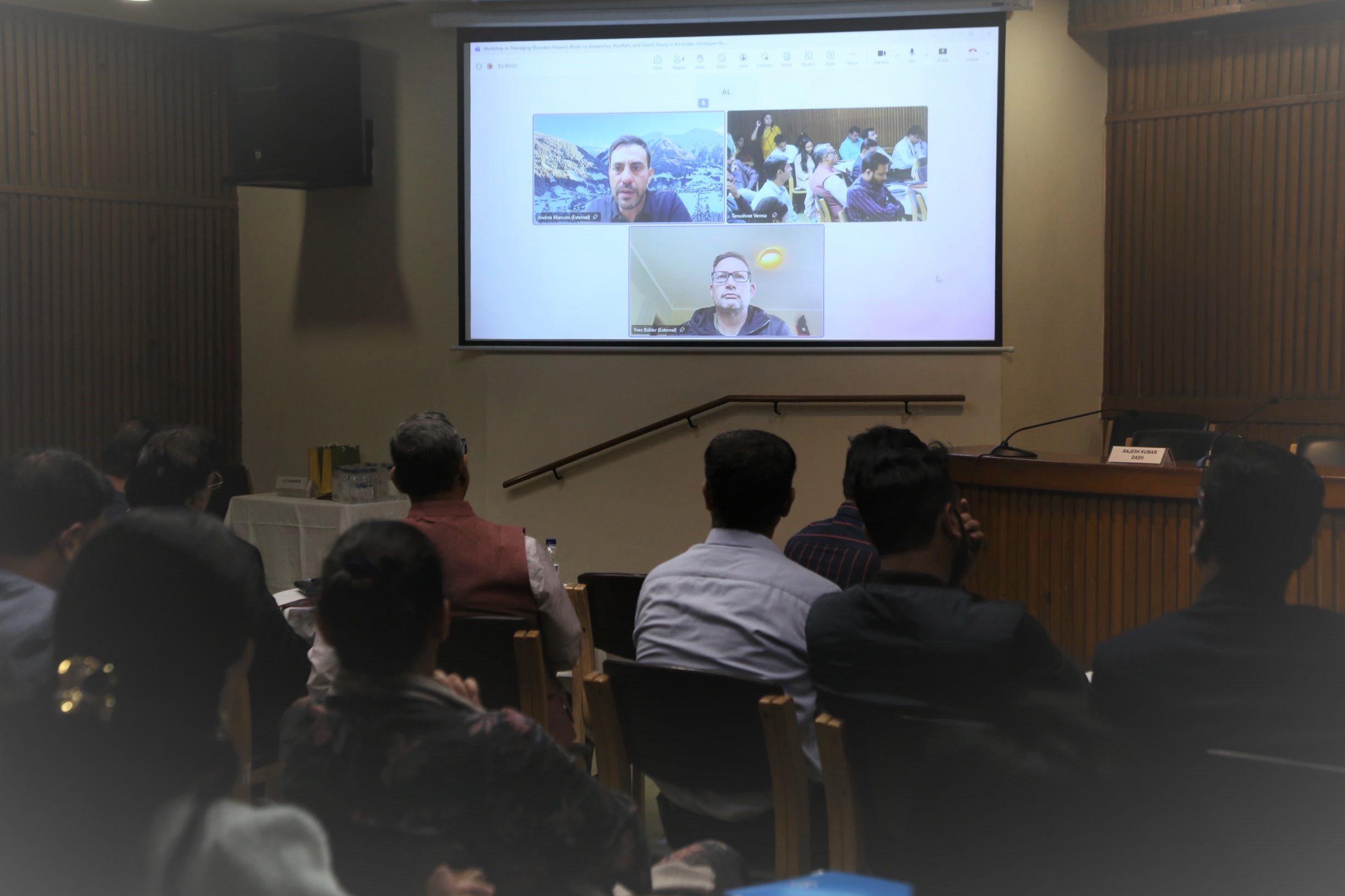
The technical sessions on Day 1 emphasized innovative methods for hazard mapping and risk assessment, highlighting the use of advanced tools, modeling techniques, and field insights. Experts including Dr. Yves Bühler and Dr. Andrea Manconi (WSL–SLF), Dr. D.P. Kanungo and Dr. Rajesh Kumar Dash (CSIR–CBRI Roorkee) shared their insights on mapping mass movements in the Himalayas and the Alps. Prof. Anil K. Gupta (IIT Roorkee, ICARS), Mr. Anup Karanth (World Bank), and Prof. Rajiv Sinha (IIT Kanpur) highlighted the importance of infrastructure resilience, sediment dynamics, and nature-based solutions in improving safety and sustainability in mountain environments.
The workshop also featured group discussions and a high-level panel session, where participants from national and state disaster management authorities, scientific and research institutions, international organizations, and the private sector jointly reflected on strategies for risk-informed planning, improved governance, and community preparedness across the Himalayas.
The event culminated in a Joint Statement, reaffirming a shared commitment to advance hazard mapping, proactive preparedness, and regional collaboration for a safer and more resilient Himalayan region.
Heartfelt thanks to all the distinguished speakers, partners, and participants for their valuable contributions and collective efforts to strengthen science-based resilience in mountain regions.